
What to Eat in Sorrento:
15 Dishes You Absolutely Must Try
I have eaten these dishes my entire life. Some of them every single week. This is not a list compiled from TripAdvisor — it is the honest food memory of a Sorrentine, distilled into the 15 things I would order for you if you sat down at my table and said: "Alessandro, what should I eat?"
🍽️ Everything in this guide
- Gnocchi alla Sorrentina
- Pizza Napoletana (the real one)
- Spaghetti alle Vongole
- Linguine al limone
- Paglia e Fieno con Pesto di Noci
- Spaghetti alla Nerano
- Frittura di Paranza
- Fior di Latte di Agerola
- Pomodoro di Sorrento
- Provolone del Monaco DOP
- Limoncello
- Delizia al Limone
- Sfogliatella
- Granita al Limone
- Street food: what to eat walking
Sorrento sits on a volcanic terrace above the Bay of Naples, surrounded by lemon groves, the sea, and one of the most productive agricultural hinterlands in Southern Italy. The food here is not a tourist performance — it's the result of centuries of fishing culture, Arab citrus groves, Bourbon court cuisine and the stubbornly uncompromising palate of the Neapolitan South.
This guide covers everything you need to eat in Sorrento, from the non-negotiable first plate to the dessert you will dream about for years. For each dish, I'll tell you what makes the Sorrento version specific, what to look for on the plate, and the one mistake most tourists make.
Let's eat.
1. Gnocchi alla Sorrentina — The Soul of the City on a Plate
The signature dish of Sorrento
If there is a single dish that defines Sorrento, it is this one. Handmade potato gnocchi, baked in a terracotta pot (pignatiello) with San Marzano tomato sauce, torn fior di latte mozzarella and a handful of fresh basil. The top layer chars slightly in the oven — that slight caramelisation of cheese and tomato at the edges is what separates a gnocchi alla Sorrentina made with love from a merely acceptable one.
The dish appears in every restaurant in town, which is exactly why you need to know how to read the quality signals. Great gnocchi are soft, pillowy and yielding — they should dissolve at the first bite, not offer resistance. They should taste of potato, not of flour. The tomato sauce must be simple and slightly acidic; anything overly sweet or heavy means jarred tomatoes, not San Marzano.

🍋 Local tip: Order it in the pignatiello — the individual terracotta pot — not as a shared pasta dish. The individual pot comes out still bubbling from the oven, with that charred cheese layer intact. Ask specifically: "Nella pignatiella, per favore."
What separates good from great
The best versions use Agerola fior di latte — the local mozzarella from the mountains above the coast, which melts differently from industrial mozzarella: creamier, with a slight tang that balances the sweetness of the tomato. If the menu specifies "fior di latte di Agerola," that's a restaurant paying attention to its ingredients.
Avoid any place that serves gnocchi alla Sorrentina with a heavy béchamel base or with smoked scamorza instead of fior di latte. These are shortcuts that obscure the flavour of what should be a beautifully simple dish.
2. Pizza Napoletana — You Are in the Birthplace
Naples is 45 minutes away
You are forty-five minutes by train from the city that invented pizza. This is not a geographical footnote — it is the reason that a bad pizza in Sorrento is an act of culinary disrespect. The sourdough pizza tradition of the Neapolitan school is alive and well here, and the best pizzerie in Sorrento make a product that would hold its own in Naples itself.
The Margherita is still the supreme test of any Neapolitan pizzaiolo. A properly made one has a cornicione (crust) that puffs up into irregular leopard-spotted blisters from the extreme heat of the wood-fired oven, a centre that is soft and slightly wet — never dry — and a flavour that comes from the chemistry of long-fermented dough, not from toppings.
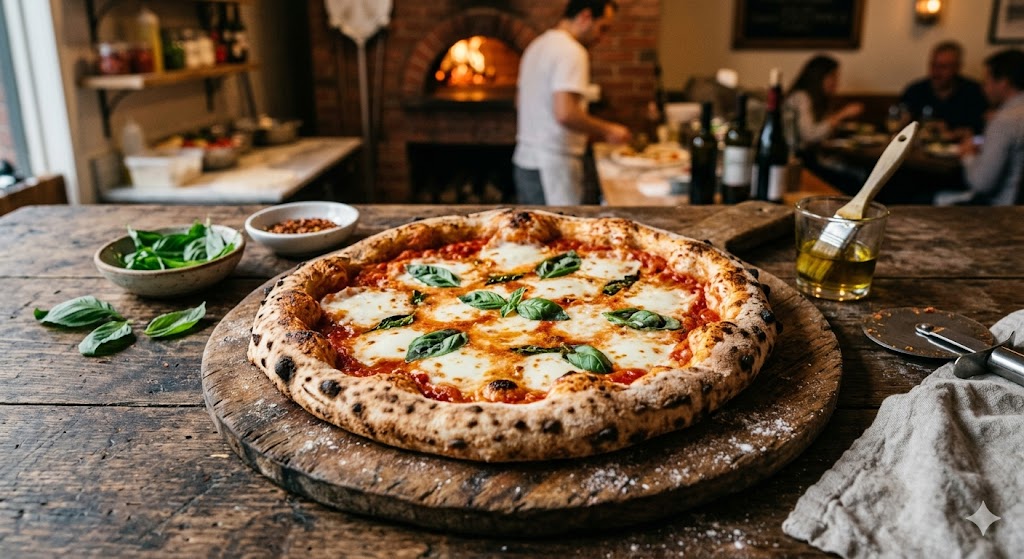
⚠️ The tourist trap to avoid: Pizzerie on Via Correale and around Piazza Tasso that display large laminated menus with photos outside the door. The pizza is almost always pre-made, under-fermented and overpriced. Walk two streets away and prices drop by 40%.
For a full breakdown of where to eat pizza in Sorrento — with specific addresses, price ranges and opening hours — read the dedicated guide:
Your base for exploring Sorrento's food scene
Il Capo Suites is a five-minute walk from the best trattorias, bars and street food in Sorrento. Alessandro will tell you exactly where to eat the moment you arrive.
3. Spaghetti alle Vongole — The Plate That Separates the Serious from the Mediocre
The definitive test of any Sorrentine kitchen
Ask any Neapolitan chef what dish they use to evaluate a colleague's kitchen and the answer is almost always spaghetti alle vongole. It is, in theory, the simplest pasta dish in Southern Italy: clams, white wine, garlic, olive oil, fresh parsley, spaghetti. In practice, it exposes every fault in technique, timing and ingredient sourcing with merciless precision.
The clams must be purged of sand overnight in salted water before cooking — skip this step and you eat grit. The pasta must finish cooking in the clam pan, absorbing the briny, winey sauce for the final two minutes. The result should be in bianco (without tomato) or very occasionally with a few cherry tomatoes added at the last moment — never with a heavy tomato sauce, which is the restaurateur's way of hiding inferior clams.

⚠️ Red flag: Any restaurant that offers spaghetti alle vongole as a choice from a pre-set tourist menu at a fixed price. Fresh clams are expensive and variable in supply. A chef using real vongole veraci from the Bay of Naples will price the dish accordingly.
4. Linguine al Limone — The Sunshine on a Plate That Requires Absolute Precision
The ultimate celebration of the Sorrento citrus heritage
While many visitors flock to the coast looking for heavy sauces, the true test of a local chef's mastery over citrus is the linguine al limone. It is, in theory, a dish of disarming simplicity: just the fragrant zest and juice of Sorrento lemons, high-quality extra virgin olive oil, garlic, a touch of butter or heavy cream (depending on the family recipe), and fresh pasta. In practice, it demands a flawless balance between acidity and richness, where even a second too long on the flame can ruin the delicate aroma.
The secret lies entirely in the fruit. True *Limone di Sorrento IGP* possesses an intensely aromatic skin thick with essential oils, which must be zested with surgical precision to avoid the bitter white pith. The pasta must finish cooking directly in the lemon infusion, tossing rapidly with the starchy cooking water until a glossy, silk-like emulsion forms. The result should look bright and clean—never weighed down by cheese, which would overpower the refreshing, sun-kissed perfume of the coast.
⚠️ Red flag: Any restaurant where the lemon sauce tastes artificially sour or heavy, resembling packaged lemon juice or excessive cooking cream. A authentic portion relies on the natural oils of freshly picked local lemons, leaving a clean, uplifting aftertaste rather than a greasy film on the palate.
5. Paglia e Fieno con Pesto di Noci — The Autumnal Soul of the Sorrento Hills
A rich, velvety symphony of local walnuts and fragrant basil
While the coast is famous for its lemons and seafood, the hills of Sorrento hide another gastronomic treasure: the *Noce di Sorrento* (Sorrento walnut), celebrated for its thin shell and sweet, non-bitter kernel. This traditional recipe pairs these exceptional nuts with *paglia e fieno* (straw and hay)—a beautiful bi-color nest of yellow egg pasta and green spinach pasta that perfectly catches the rich, velvety sauce.
The magic happens when fresh walnuts are ground together with aromatic basil, sharp Parmigiano cheese, a touch of garlic, and local extra virgin olive oil to create a thick, rustic pesto. The secret to perfection lies in the final assembly: the pasta must be tossed in a wide pan with the walnut cream and a splash of starchy pasta water. This creates an incredibly glossy, luxurious emulsion that coats every strand, finished with a final dust of Parmigiano and served steaming hot.
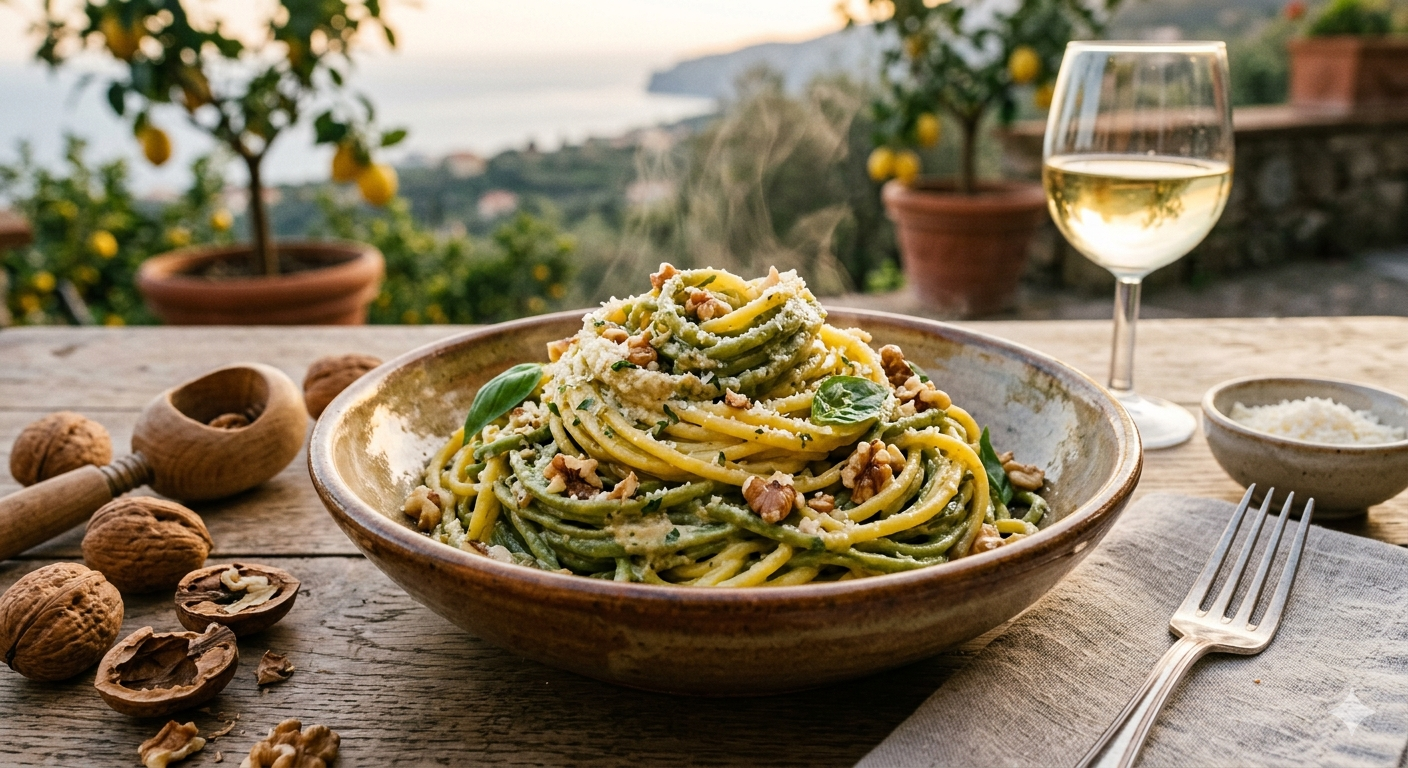
⚠️ Red flag: Beware of any restaurant that substitutes the traditional, delicate Sorrento walnuts with cheap, bitter imported varieties, or masks the texture by drowning the dish in heavy industrial cooking cream. A true Neapolitan *pesto di noci* gets its rich creaminess solely from the emulsion of the nuts, cheese, and pasta water, brightened by the presence of fresh basil.
6. Spaghetti alla Nerano — The Creamy Zucchini Miracle Born in the Bay
The hypnotic balance of sweet fried zucchini and sharp Provolone del Monaco
Invented in the 1950s in a tiny restaurant in the bay of Marina del Cantone (Nerano), this dish is a masterclass in how a few humble ingredients can create absolute ecstasy. It consists of spaghetti, thinly sliced zucchini, and grated Provolone del Monaco. The secret that baffles food lovers worldwide is its incredible, velvety creaminess—a luxurious texture achieved without a single drop of heavy cream or butter.
The traditional preparation is a labor of love. The zucchini must be sliced paper-thin, fried in local extra virgin olive oil until golden but not burnt, and left to rest overnight to soften. The next day, they are tossed with the al dente pasta and a generous handful of Provolone del Monaco—the local semi-hard, spicy cheese. As everything is vigorously mantecato (stirred) with the hot, starchy pasta cooking water, the cheese melts into the oil and zucchini juices, forming a heavenly, glossy sauce that smells intensely of summer and fresh basil.
⚠️ Red flag: Any restaurant that serves a "Nerano" with a watery sauce, or worse, uses heavy cream to cheat the velvety texture. Another massive red flag is the substitution of the unique, spicy Provolone del Monaco with cheap Parmigiano or generic sweet provolone; without that specific local cheese, the dish loses its iconic sharp kick and becomes just plain zucchini pasta.
7. Frittura di Paranza — The Small Fry That Tell You Everything
The honest measure of a seafood restaurant
Paranza refers to the small inshore fishing boats that drag nets along the shallow seabed, pulling up whatever they find: tiny squid, anchovies, whitebait, small red mullet, baby shrimp. The mixed fry of these small fish — dusted in semolina flour, deep-fried in hot oil and served with a wedge of lemon and nothing else — is one of the great, unrepeatable pleasures of eating by the Tyrrhenian Sea.
The frittura di paranza is also the most honest indicator of a seafood restaurant's quality. The oil must be fresh (you can smell rancid reused oil the moment it arrives at the table). The coating must be feather-light — semolina, not a thick beer batter. Each piece must be fried separately and served immediately: a frittura that arrives lukewarm and damp has been sitting under a heat lamp.
🌿 Local secret: Order it as a shared starter before pasta, not as a main course. The correct ratio for a Sorrentine seafood lunch is: frittura to share, then pasta alle vongole or risotto al pescatore per person. This is how we eat it.
8. Fior di Latte di Agerola — The Mozzarella That Changes Everything
The dairy miracle from the mountains above the coast
Agerola is a small mountain town 800 metres above the sea, halfway between Sorrento and Amalfi. The cows that graze in its pastures produce milk with an unusually high fat content, and the mozzarella made from that milk — the fior di latte di Agerola — is an entirely different product from the rubbery white spheres floating in industrial brine that most of the world calls mozzarella.
Fresh fior di latte from Agerola should be eaten within 12 hours of being made. The exterior is thin, almost delicate. When you cut it, it releases a small amount of milky whey. The flavour is clean, slightly tangy, with a richness that doesn't feel heavy. Drizzled with a local extra virgin olive oil from the Sorrento peninsula and a few grains of sea salt, it is an argument for simplicity that is very hard to counter.
🍋 Where to find it: Any caseificio (dairy shop) displaying the name Agerola, or the morning market near Piazza Lauro. Ask for it "del giorno" — made today. If they can't tell you when it was made, buy it elsewhere.
9. Pomodoro di Sorrento — The Meaty, Sweet Giant That Rules the Caprese
The absolute monarch of Mediterranean summer salads
Go to any market on the peninsula during the summer months and you will spot them: massive, ribbed, slightly pinkish-red globes with green-shouldered skins. This is the Pomodoro di Sorrento. Grown in the volcanic, sun-baked soils of the hills overlooking the sea, this heirloom tomato is a completely different species from the perfectly round, watery, and acidic varieties sold in global supermarkets. It is fleshy, incredibly sweet, low in acidity, and possesses a delicate fragrance that is instantly recognizable.
This tomato is the undisputed star of a true *Insalata Caprese*. In Sorrento, the dish is a sacred ritual of simplicity. The tomato is sliced thick to match the thickness of local fresh mozzarella (either fior di latte or mozzarella di bufala). It is seasoned with nothing more than a pinch of sea salt, fresh basil leaves torn by hand, and a generous pour of local, peppery extra virgin olive oil. The magic lies in the juices of the tomato mingling with the milky whey of the cheese and the olive oil, creating a natural sauce at the bottom of the plate that begs to be scooped up with crusty bread.
⚠️ Red flag: A Caprese salad heavily drizzled with thick, dark balsamic glaze (crema di balsamico). This is a modern commercial addition used primarily to mask tasteless, out-of-season tomatoes. If the tomatoes are genuine, sweet Sorrento IGP, adding balsamic vinegar is considered a culinary crime on the coast—the natural sweetness needs no acidic correction.
10. Provolone del Monaco DOP — The Golden Jewel of the Lattari Mountains
The semi-hard masterpiece born from unique local pastures
The Lattari Mountains, rising high above the Sorrento Peninsula and Amalfi Coast, are home to the Agerolese cows—a rare breed whose exceptional milk gives life to Provolone del Monaco DOP. This is not the mild, industrial cheese found on supermarket shelves worldwide; it is an artisanal, semi-hard, kneaded-curd cheese shaped like a melon and aged for months in cool, humid cellars until it reaches perfection.
A true Provolone del Monaco balances a complex profile: a thin, yellowish rind that yields to a pale, elastic paste with its characteristic small holes. The flavour is a sublime journey, starting buttery and sweet before evolving into an intense, pleasantly spicy finish. Served on its own with local chestnut honey, or shaved over traditional dishes like *Pasta alla Nerano*, it represents the untamed culinary soul of the coast.
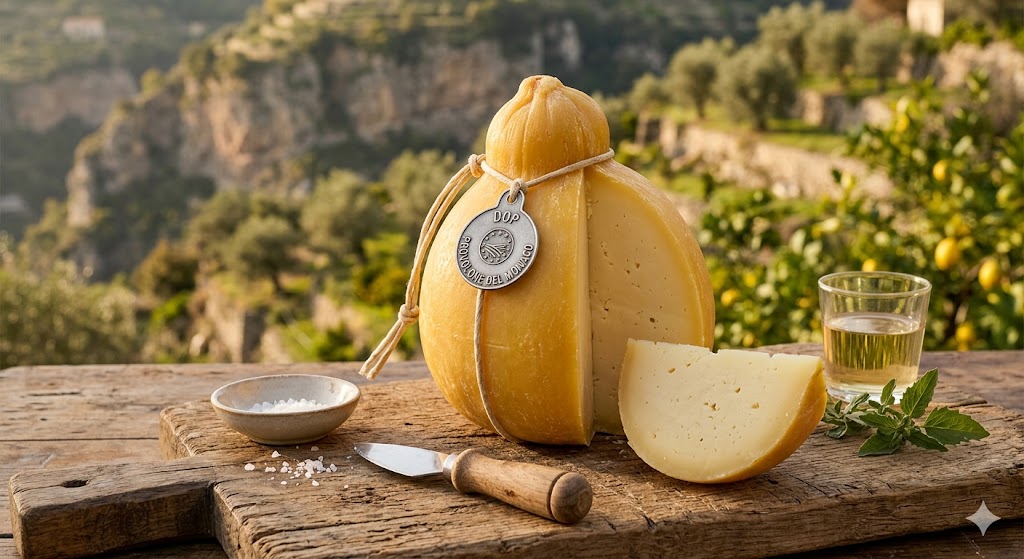
🧀 Where to find it: Look for the official DOP consortium seal at historical salumerie or caseifici across Sorrento, Vico Equense, and Agerola. Ask for a version aged at least 6 months ("stagionato") to fully experience its spicy character. If it lacks the distinctive numbered metal tag, it's not the real Monk's cheese.
11. Limoncello and the World of Citrus Liqueurs
The liquid identity of the Amalfi Coast
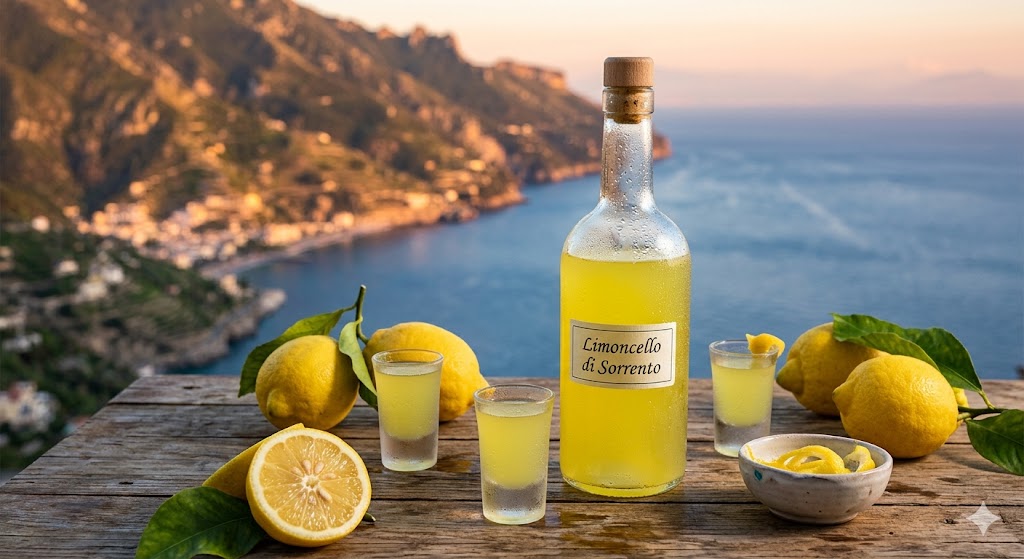
No meal in Sorrento ends without limoncello. It arrives uninvited, already poured into a frosted glass straight from the freezer, because the host has decided that you are ready for it. To refuse is technically possible but socially complicated. Accept it, hold it by the base so your hand doesn't warm the glass, and drink it in small sips. This is how we do it.
The limoncello made along this coastline is categorically different from anything sold outside Italy. The Ovale di Sorrento IGP lemon has an essential oil concentration in its peel that no other variety can match, producing a liqueur that is simultaneously aromatic, sharp and smooth — without the artificial sweetness or fluorescent colour of industrial products.
12. Delizia al Limone — The Cake That Tastes Like Sorrento
The dessert Sorrento gave to the world
The Delizia al Limone was invented in Sorrento in 1978 by pastry chef Alfonso Caputo of the Taverna del Capitano in Marina del Cantone. It is now found in every pasticceria on the coast and in countless imitations worldwide — but like all dishes with a specific origin, it tastes best where it was created.
The structure: a dome-shaped sponge soaked in limoncello syrup, filled with lemon pastry cream, covered with a whipped lemon cream that is poured warm over the dome so it sets into a glossy, trembling coat. A single curl of candied lemon peel on top. When made properly, each bite delivers three textures — soft sponge, cold cream, silky coat — and a lemon flavour that is intense without being sour.
🌿 Where to eat the best one: The original is still made at Taverna del Capitano in Marina del Cantone (worth the 20-minute drive). In the centre of Sorrento, Pasticceria Primavera on Via San Cesareo is the local benchmark.

13. The Sfogliatella and the Art of the Neapolitan Breakfast
Breakfast, the Neapolitan way
Nowhere on earth does breakfast like Southern Italy, and Sorrento is no exception. The morning ritual here revolves around two things: a proper espresso made on a commercial machine with a correctly calibrated portafilter, and a pastry that you eat standing at the bar counter. Sitting down costs more and is a tourist habit.
The sfogliatella is the most emblematic Neapolitan pastry. The riccia version — the one with a flaky, layered shell shaped like a clamshell — is the superior choice. Inside: a filling of semolina, ricotta, eggs, cinnamon and candied orange peel. It should be served warm, fresh from the oven or reheated. A cold sfogliatella has failed at its only job.
Alternatives worth ordering: the cornetto con crema or nutella (a whole-wheat croissant with pastry cream or nutella), the babà soaked in rum, and the zeppola di San Giuseppe if you visit in spring. Any pasticceria displaying these behind a glass counter and refilling them throughout the morning is doing things correctly.
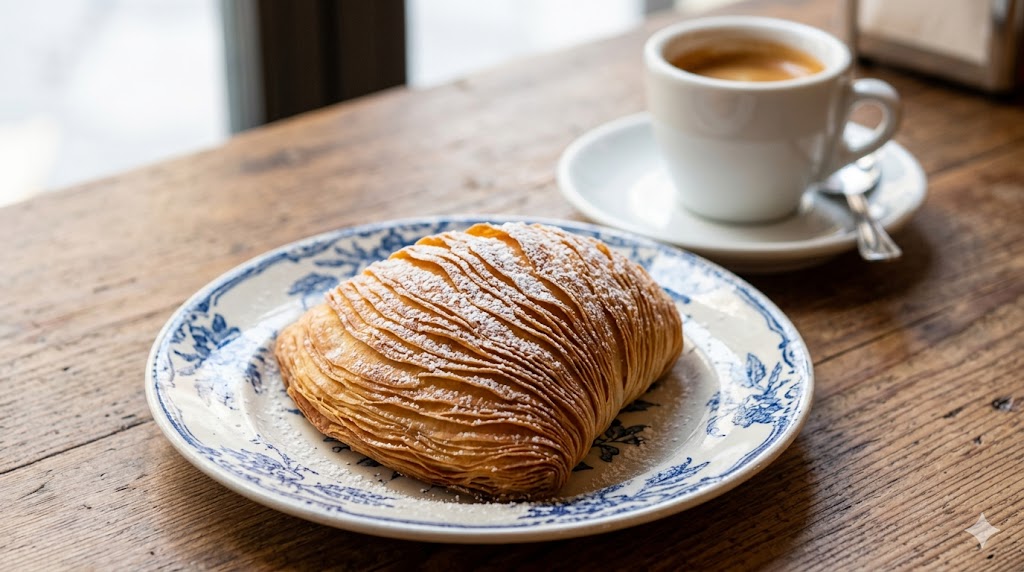
🌿 Local secret: Ask for your cappuccino "con il cacao" (with a dusting of cocoa powder on top) and your cornetto "del giorno" (today). The staff will know you understand the local codes.
14. Granita al Limone — The Most Refreshing Thing You Will Ever Eat
Summer in a glass
Walk through Sorrento on a July afternoon when the temperature reaches 35°C and the sea breeze has gone quiet. The solution is a granita al limone from any decent bar or gelateria: crushed ice blended with fresh-squeezed Sorrento lemon juice, a little sugar, and nothing else. Served in a glass. Consumed standing in the shade. The world becomes manageable again.
A proper granita is not smooth like a sorbet. It has a crystalline, granular texture — the word comes from grana, grain — that melts on the tongue at a different rate from smooth ice cream, creating a longer, more complex flavour experience. The lemon flavour should be assertively sour with a floral note from the essential oils of the Sorrento peel.
⚠️ Avoid: Granita made from concentrate or pre-mixed syrups. The colour will be an unnatural bright yellow (fresh lemon juice is pale). Ask: "È fatta con limoni freschi?" — "Is it made with fresh lemons?" The answer will tell you everything.
15.Street Food in Sorrento: What to Eat, Where and When
Eat while you walk
Sorrento's street food culture is quieter than Naples' but no less rewarding. The key is knowing what to look for and which streets to walk.
Pizza fritta: Fried pizza dough stuffed with ricotta, cicoli (pressed pork) and black pepper. Found at a handful of friggitorie (fry shops) near the market area. A Neapolitan tradition that most tourists in Sorrento entirely miss. It costs €2–3 and will sustain you for an afternoon.
Tarallo napoletano: A dense, lard-enriched ring-shaped biscuit spiced with black pepper and almonds. Sold in alimentari and at the market. Invented to survive at sea for months, it tastes much better than that description suggests.
Scagliozzi: Fried polenta squares, eaten hot with a pinch of salt. Naples street food that occasionally makes its way to Sorrento at market stands. Cheap, carb-heavy, excellent.
Fresh fruit at the market: Piazza Lauro and the adjacent streets host a morning market where local farmers sell figs, peaches, apricots, tomatoes and lemons from the peninsula. In July, the white figs (fichi bianchi) from Cilento are the single best fruit you will eat in your life. Buy too many.
🌿 The best €4 you'll spend in Sorrento: A mozzarella in carrozza — a slice of mozzarella coated in bread, dipped in egg and fried in olive oil — from any friggitoria in the old town. Eaten immediately, before it cools.
What to Eat in Sorrento by Season
The food calendar in Sorrento follows the seasons with an honesty that is sometimes lost in year-round tourist destinations. Here is what to look for when you visit:
| Season | Must-eat dishes | Why it matters |
|---|---|---|
| Spring (Mar–May) | Artichoke pasta, zeppola di San Giuseppe, fresh ricotta, mozzarella | The Campanian artichoke season, wild herbs in the hills, Easter pastries |
| Summer (Jun–Aug) | granita al limone, spaghetti alle vongole, frittura di paranza, insalata caprese | Peak of the vegetable season; sea at its warmest, daily fresh fish catch |
| Autumn (Sep–Nov) | Pasta e fagioli, funghi porcini, fresh chestnut pasta, slow-cooked ragù | Hunting and foraging season begins; chestnuts from the Lattari mountains |
| Winter (Dec–Feb) | Minestra maritata, pizza piena (Easter pie), struffoli at Christmas | The real local food season — when restaurants cook for Sorrentines, not tourists |
📖 Sorrentine Food Glossary
Words you'll encounter on menus and market stalls — what they actually mean:
- Fior di latte
- Cow's milk mozzarella (not buffalo). The local version from Agerola is the benchmark.
- Al dente
- Pasta cooked until it still offers a slight resistance to the bite. The correct standard everywhere; non-negotiable in Campania.
- Pignatiella
- Small terracotta pot used for baking gnocchi alla Sorrentina and other individual dishes. The crust that forms on the edges is the point.
- San Marzano
- DOP tomato variety grown at the foot of Vesuvius. Lower acidity and more flesh than standard plum tomatoes. The correct tomato for Neapolitan pizza and gnocchi sauce.
- Colatura
- The amber fish sauce drained from salted Cetara anchovies. A few drops transform a pasta dish.
- Paranza
- Small inshore fishing boat. By extension, the mixed small fish it catches — the basis of frittura di paranza.
- Delizia
- Literally "delight." The Delizia al Limone is the dessert Sorrento gave to the world — a lemon sponge cake in a glazed cream dome.
- Friggitoria
- A takeaway shop specialising exclusively in fried food. The correct address for pizza fritta and mozzarella in carrozza.
Frequently Asked Questions
Gnocchi alla Sorrentina — handmade potato gnocchi baked in a terracotta pot with San Marzano tomato sauce, fior di latte and basil. It appears on every menu in town; the quality varies enormously.
A sfogliatella riccia and an espresso, standing at the bar. The morning ritual of the Neapolitan South. Avoid hotel buffets; find a local pasticceria and eat there instead.
Tourist restaurants on Piazza Tasso charge €18–28 for pasta. Local trattorias two streets away cost €8–14. The geography of price in Sorrento is almost perfectly correlated with distance from the main square.
Spaghetti alle vongole and frittura di paranza.